
Training Categories
Explore our training areas and discover practical learning experiences.
.jpeg)
.jpeg)
.jpeg)
.jpeg)
.jpeg)
.jpeg)
.jpeg)
European Union Project Training
Project development, Erasmus+ funding opportunities and international cooperation.
Our European Union project training aims to strengthen participants' project development and international cooperation capabilities. We explore the architecture of key funding schemes—primarily the Erasmus+ program—by identifying suitable funding opportunities, conducting comprehensive needs assessments, and translating initial concepts into tangible, measurable objectives.
Through hands-on workshops, participants delve into defining target groups, structuring operational work plans, assigning partner responsibilities, formulating realistic budgets, and designing robust impact assessment frameworks. Communication, dissemination strategies, project sustainability, and the exploitation of deliverables form an integral part of this planning process. Working through real-world case studies, participants cultivate their own project ideas, exchange professional practices, and master the foundational stages of building sustainable transnational partnerships.
- ✓ Funding opportunities and needs analysis
- ✓ Work plans, budgets and partner roles
- ✓ Impact, dissemination and sustainability
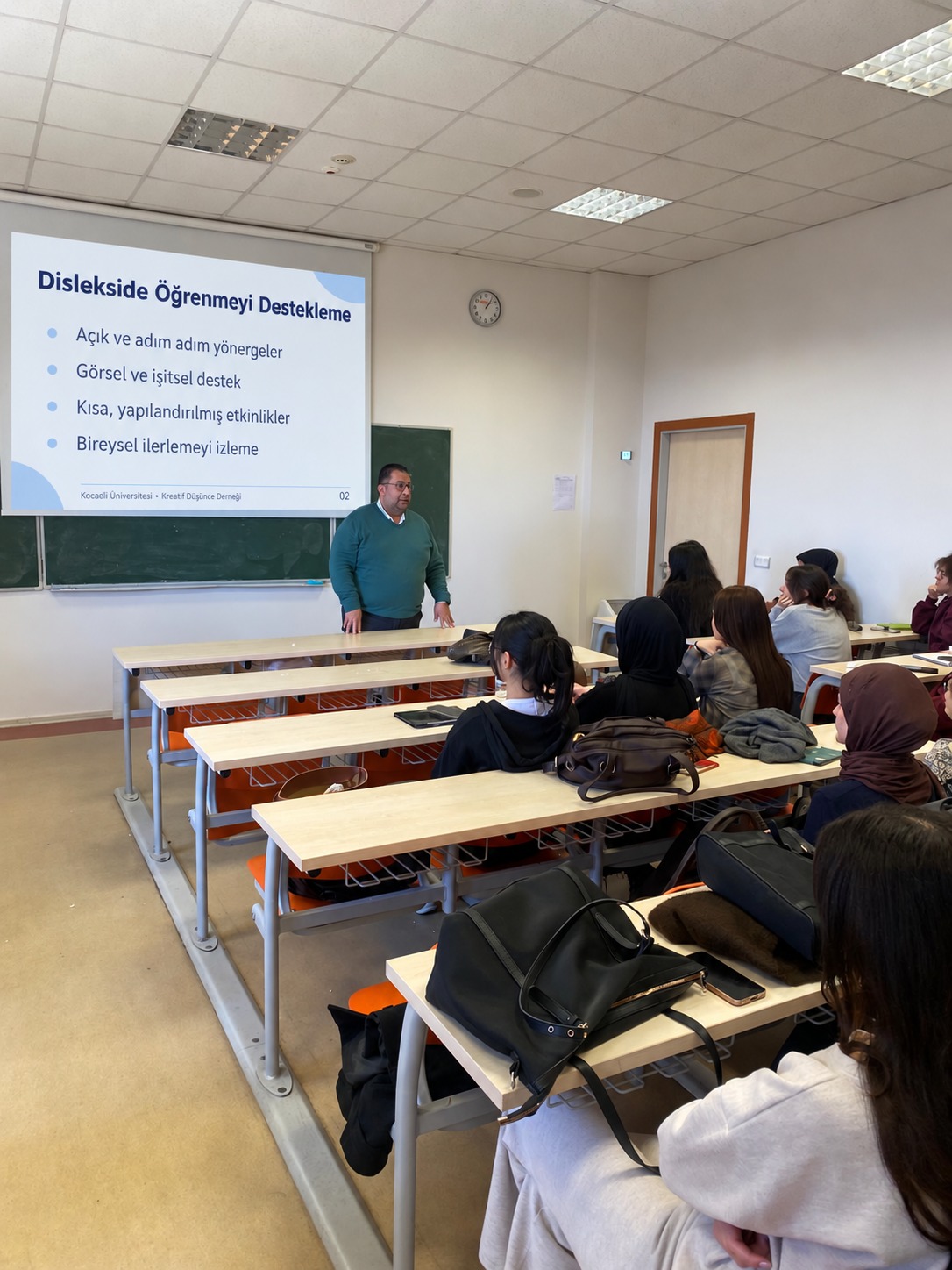
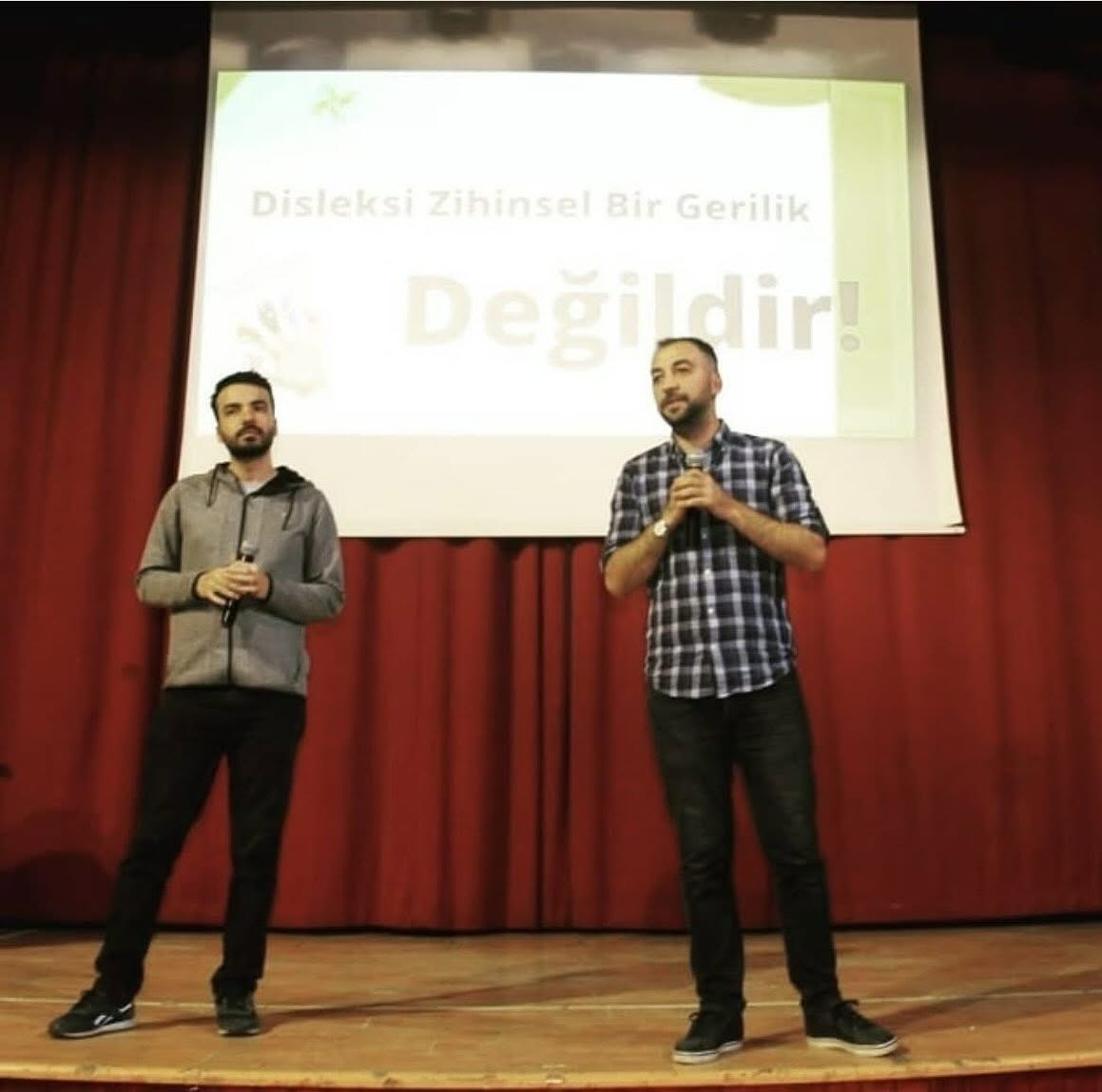
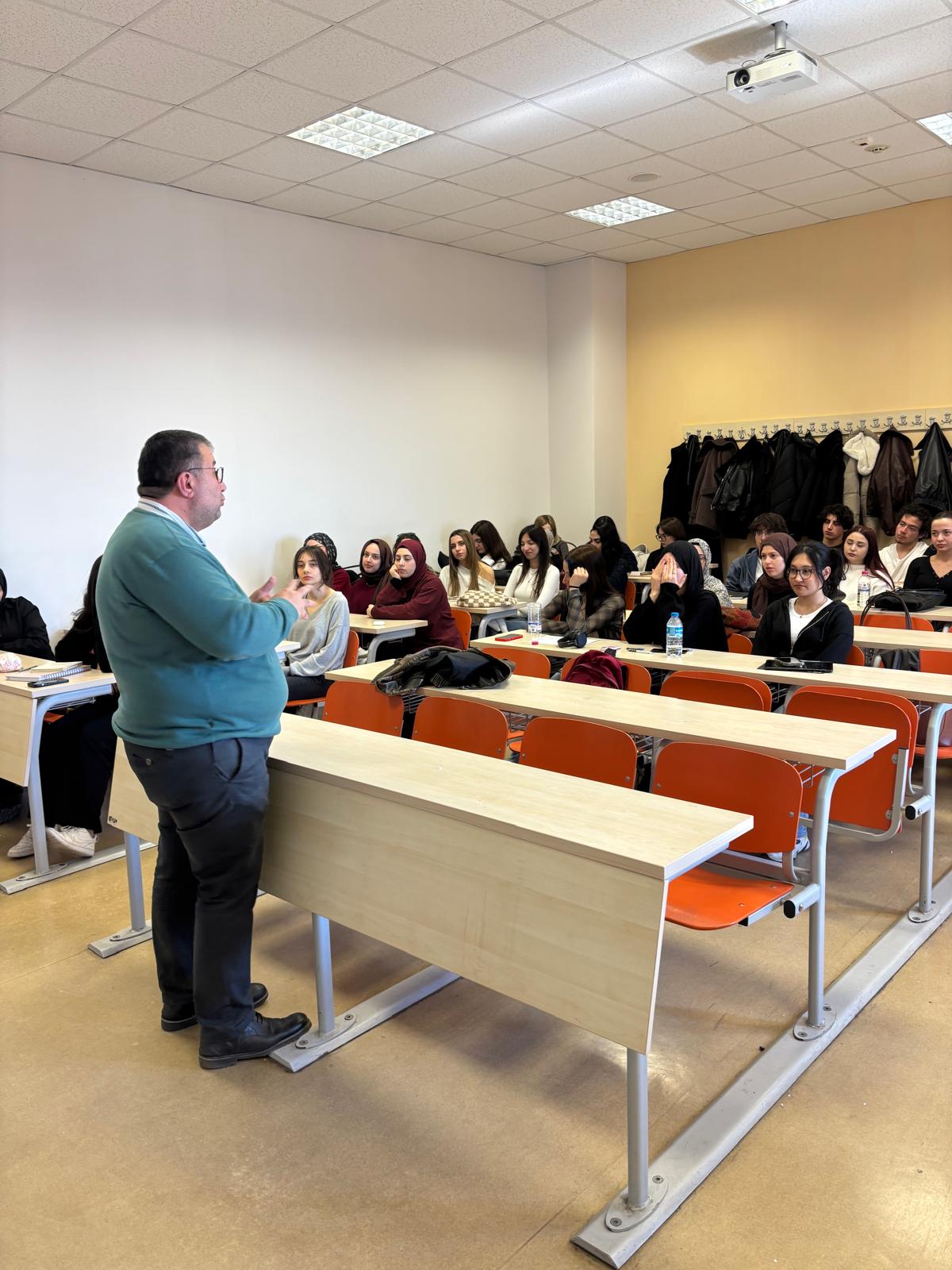
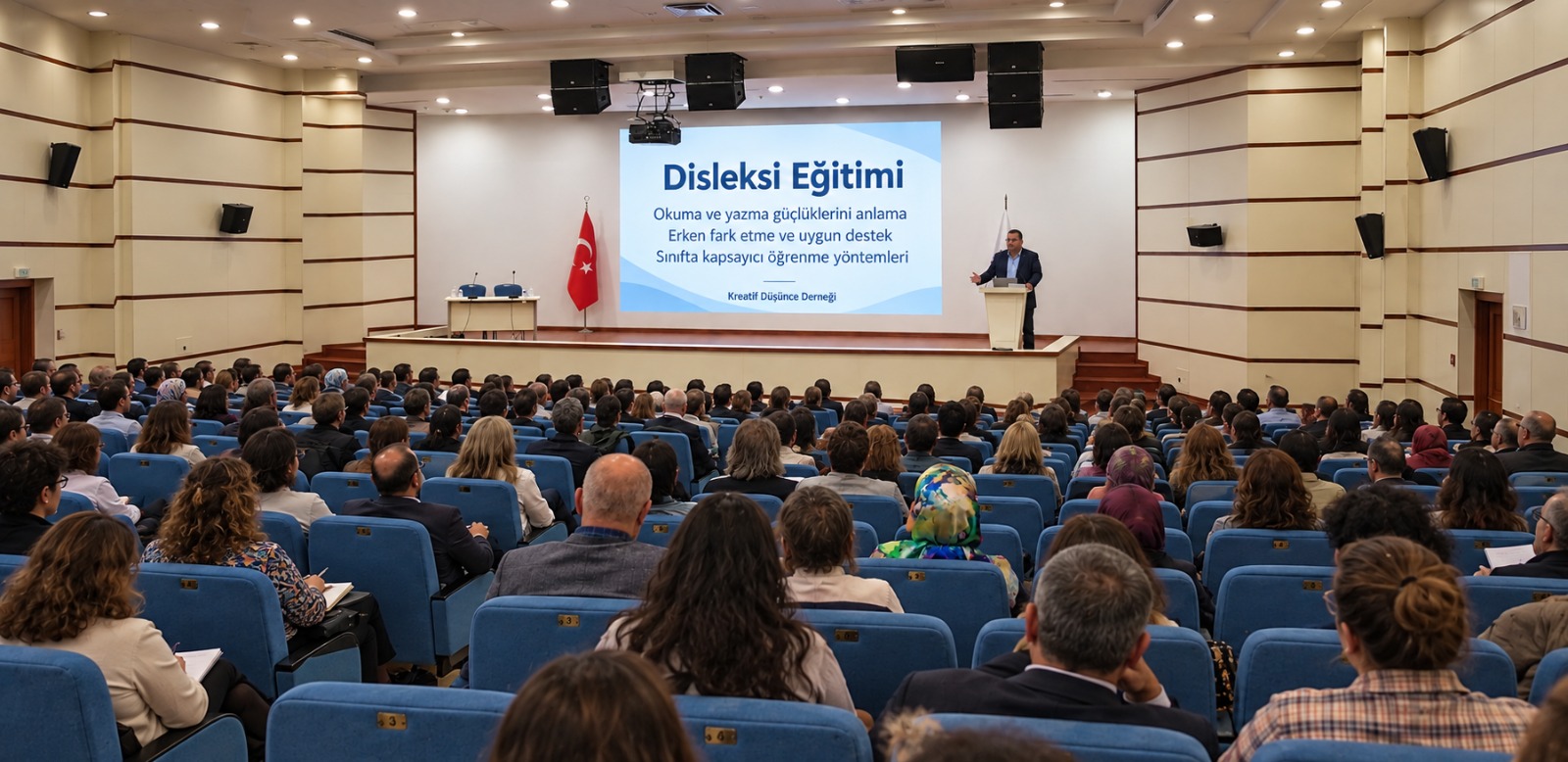
Dyslexia and Autism Awareness and Educational Approaches
Understanding specific learning differences and building supportive learning environments.
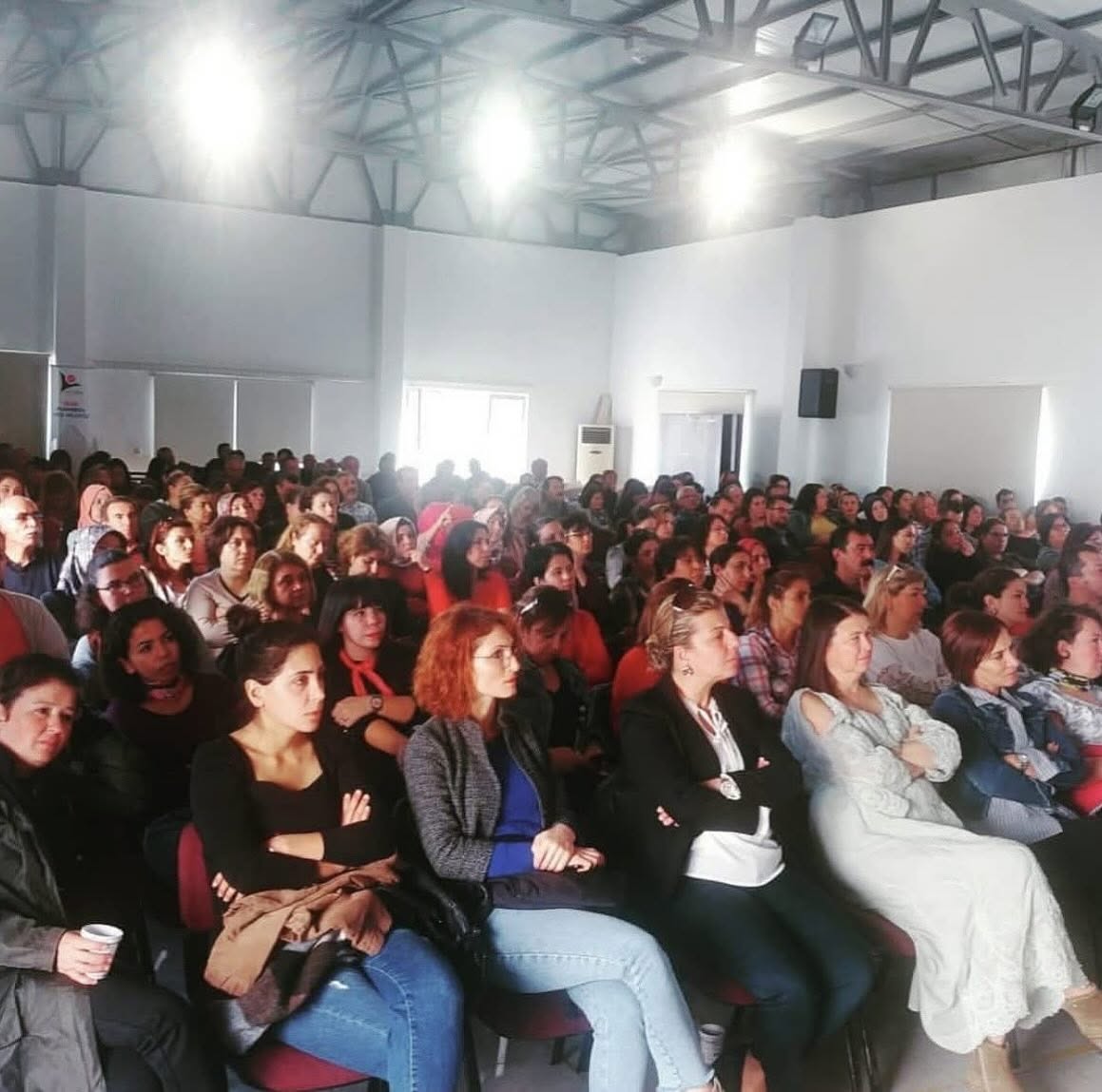
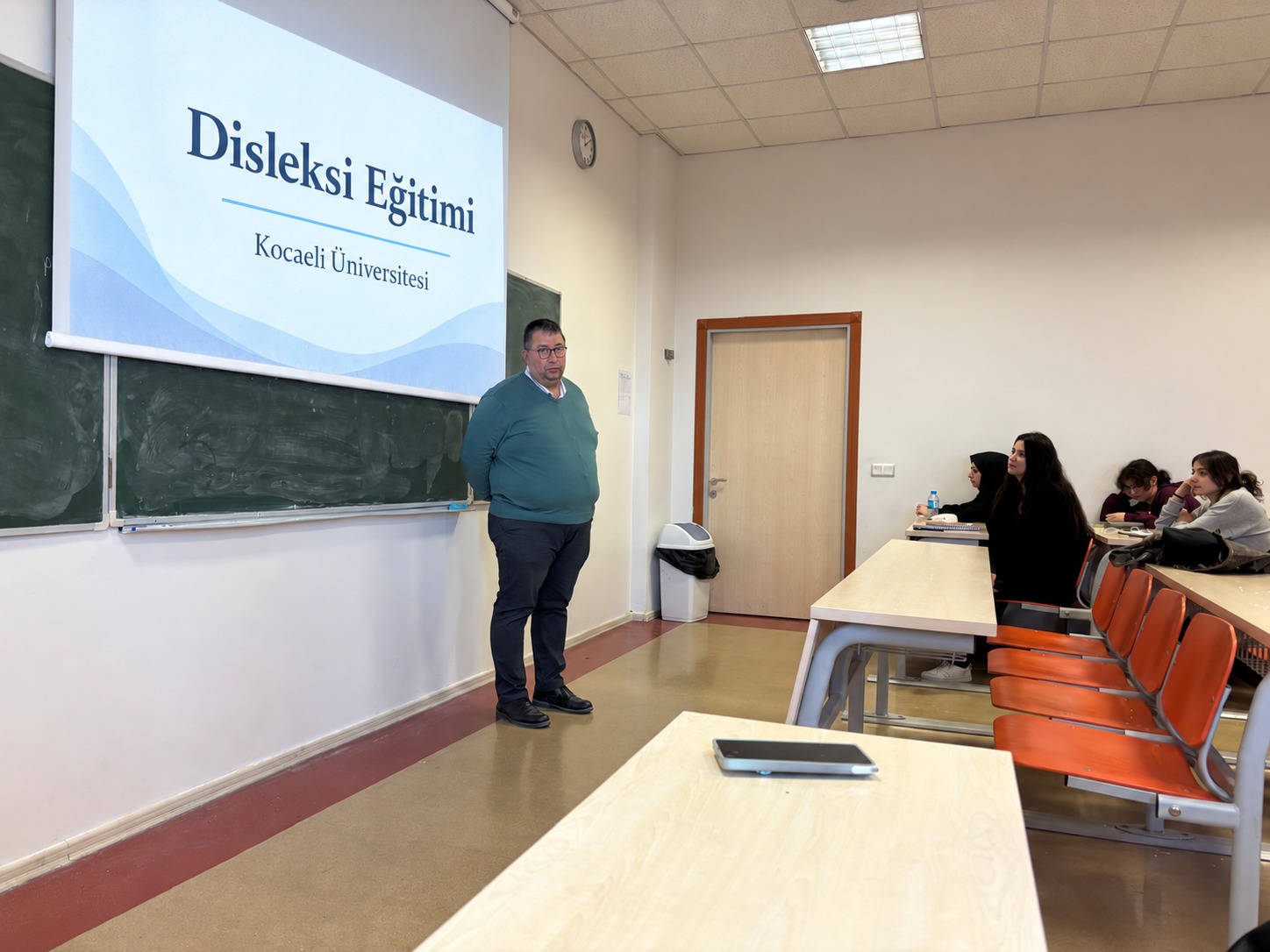
Our Dyslexia and Autism training modules are designed to provide educators and parents with a deeper understanding of specific learning differences, enabling them to foster supportive, empathetic learning environments. Difficulties associated with reading fluency, written expression, and phonological awareness are examined through the lens of age-appropriate observational practices, early identification, and proactive pedagogical support.
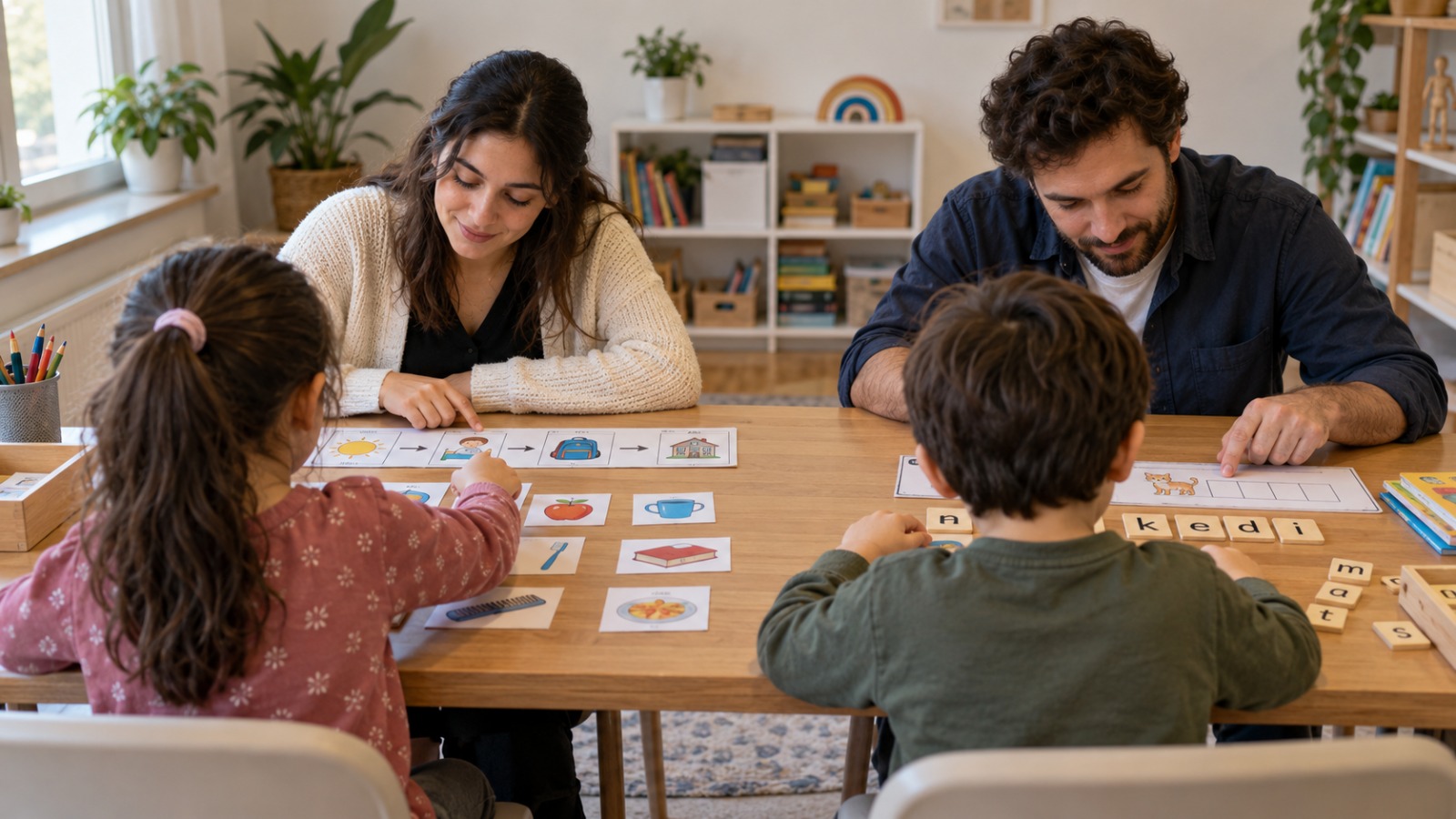
The sessions focus on practical interventions, including structured step-by-step instructions, visual scaffolds, multi-sensory learning activities, and accommodations adapted to individual learning paces. Particular emphasis is placed on identifying a child's unique strengths, nurturing self-esteem, and building strong collaborative bridges between families and schools. These training sessions are intended for pedagogical awareness and classroom support; they do not replace formal clinical assessment or diagnostic evaluations.
- ✓ Understanding learning differences
- ✓ Using visual and multi-sensory supports
- ✓ Strengthening family-school collaboration
.jpeg)
.jpeg)
.jpeg)
.jpeg)
.jpeg)
Parent Empowerment Training
Practical strategies for family communication, participation and child autonomy.
Our parent empowerment programs create dedicated spaces for families to understand their children's cognitive and developmental needs, exchange lived experiences, and adopt practical strategies applicable to daily life. Key themes—such as active listening, validating emotional responses, establishing positive communication channels, and setting consistent behavioral boundaries—are explored through practical family scenarios.
The curriculum emphasizes school–family collaboration, particularly regarding special educational needs, learning variations, and active participation in school life. We encourage reinforcing foundational learning naturally through interactive play, shared reading, and everyday household routines. Active engagement from all caregivers, equitable sharing of parental responsibilities, and practices that cultivate childhood autonomy remain core pillars of our approach.
- ✓ Positive family communication
- ✓ School-family collaboration
- ✓ Supporting daily routines and autonomy
.jpeg)
.jpeg)
.jpeg)
.jpeg)
.jpeg)
.jpeg)
.jpeg)
.jpeg)
Robotics Coding and STEM Education
Hands-on robotics, coding, engineering and collaborative problem-solving.
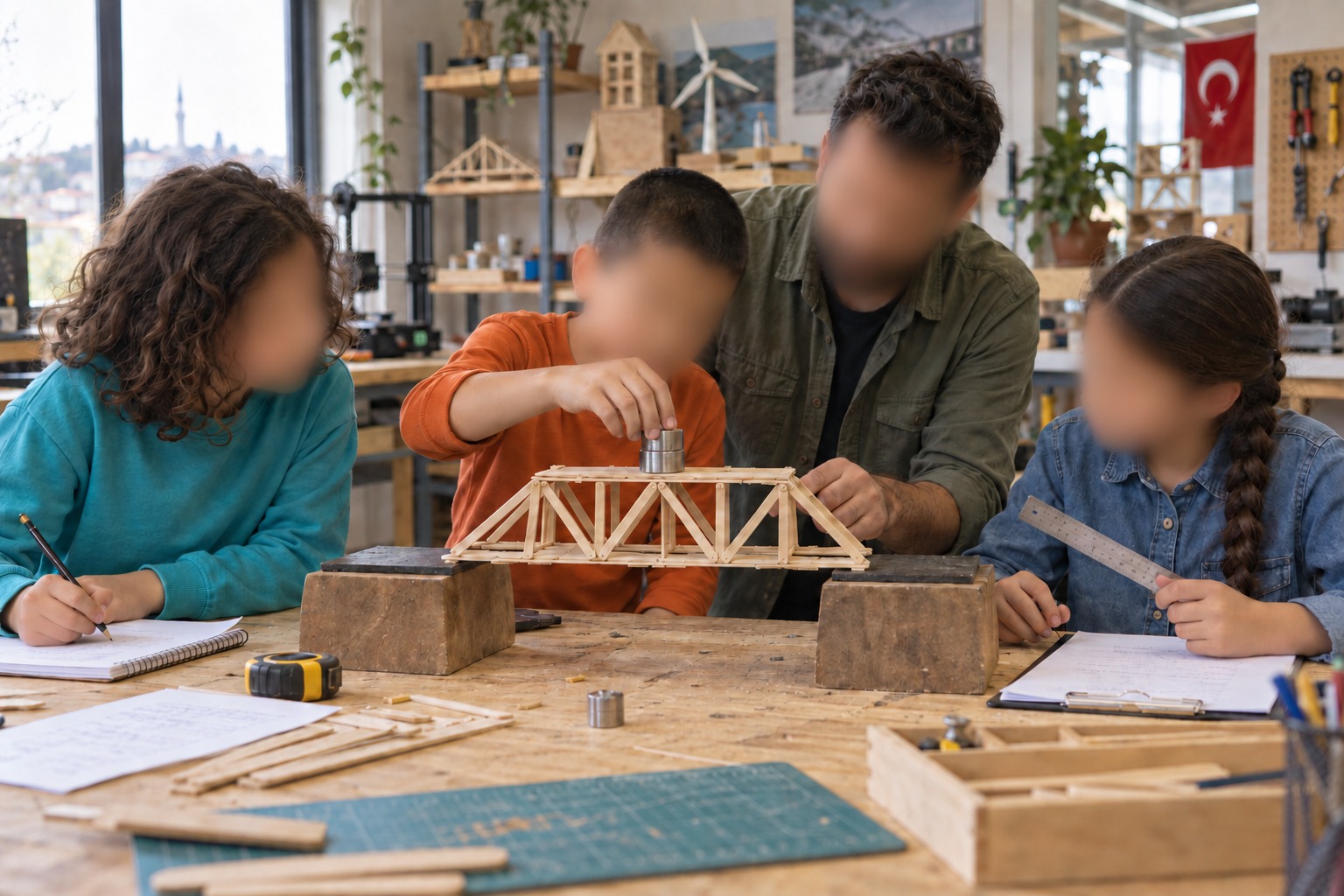
Our robotics coding and STEM education initiatives integrate science, technology, engineering, and mathematics through experiential, hands-on learning. Learners explore core robotics components, program sequential motor commands, build functional prototypes, and rigorously test their engineering solutions.
Through guided robotics obstacle tracks, low-voltage electrical circuit kits, bridge construction challenges, and collaborative group tasks, participants cultivate scientific observation, computational thinking, and systematic problem-solving skills. Children share project roles, cross-examine alternative ideas, and iteratively refine their prototypes based on test results. All learning activities are tailored to developmental stages and differentiated learning needs, ensuring that every participant takes an active, confident role in the co-creation process.
- ✓ Robotics and coding practice
- ✓ Engineering design challenges
- ✓ Teamwork and creative problem-solving